Soil Health & Fertility
Healthy soil is the starting point for everything else. These articles cover how to restore degraded land, read your soil tests without second-guessing the lab, manage nutrients efficiently, and understand what's happening below the surface, including the carbon conversation.
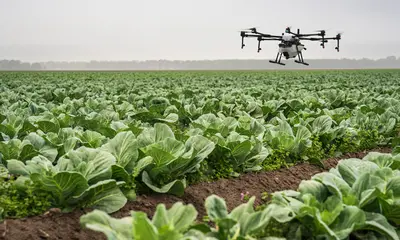
Fertilizer Use Efficiency: Where Unused N, P and K Go
Cereal crops take up only 35–45% of the nitrogen applied in a season, and 10–25% of the phosphorus. But the missing shares are not the same problem. Most lost nitrogen leaves the field for good, while most "lost" phosphorus stays in the soil for later crops. This guide gives recovery rates by nutrient and crop, traces where the rest goes, and ranks each management lever separately.
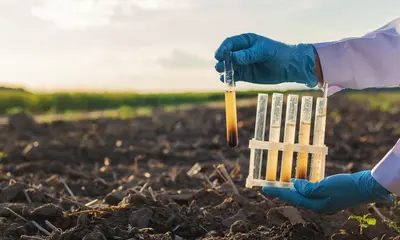
Soil Test Interpretation: Why Labs Disagree on P Rates
Two laboratories can receive the same soil sample and return phosphorus recommendations that differ by more than 50 kilograms of P₂O₅ per hectare. Neither is wrong. The difference comes from three separate decisions layered on top of the measurement: which chemical extractant was used, which calibration philosophy the system follows, and which yield assumption sets the maintenance rate.
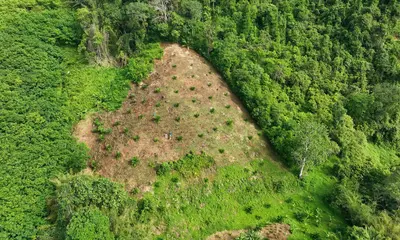
Soil Health Restoration: A Practical Guide for Farmers
Healthy soil is the quiet engine behind every harvest — and roughly a third of the world's is already worn down. This guide breaks down what soil health restoration really involves, the practices that work, the trade-offs to expect, and how farmers from Brazil to India are rebuilding their fields one season at a time.

From Earth to Lab and Back Again: The Evolution of Soil Nutrition
For millennia, farmers worked in harmony with nature’s cycles, using organic waste to feed the soil. The 20th century brought a chemical revolution that fed billions but strained our ecosystems. Today, we are at a crossroads. As global agriculture shifts toward regenerative practices, understanding where our nutrients come from—and where they are going—is essential for every farmer building a resilient future.
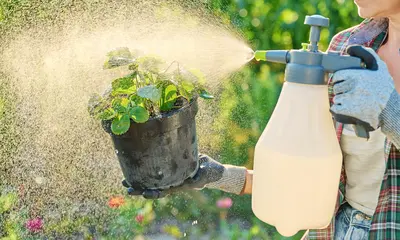
The 2026 Fertilizer Shift: Navigating Rising Costs with Regenerative Resilience
As global fertilizer prices face renewed volatility in 2026, small and medium-sized farmers are at a crossroads. Relying on expensive synthetic inputs is becoming a riskier gamble for farm profitability. This post explores the current state of the global fertilizer market and offers practical, regenerative solutions—from cover cropping to bio-amendments—that help farmers transition from high-input dependency to long-term soil resilience and financial stability.
The New Frontier of Soil Health: Scaling Tech-Driven Regeneration
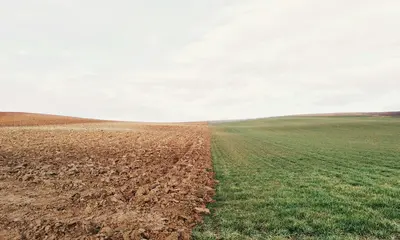
Soil is more than dirt; it is the living engine of global agriculture. Yet, for many producers, regenerating degraded land feels like a slow, expensive dream. Today, a new alliance between emerging technologies and biological wisdom is making large-scale soil health possible, turning sustainable intentions into measurable, profitable realities for farmers everywhere.
Measuring the Invisible: How Remote Sensing is Unlocking the Value of Soil Carbon
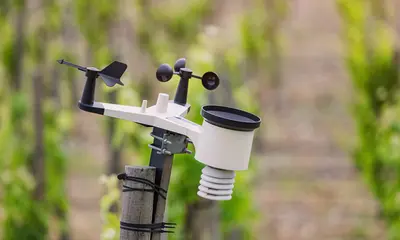
For decades, measuring soil health meant heavy labor: digging holes, bagging dirt, and waiting for expensive lab results. This "measurement bottleneck" has locked millions of small farmers out of the emerging carbon economy. But a new era is dawning. From satellites orbiting the planet to handheld scanners in the field, remote sensing technology is making the invisible visible, transforming how we value the ground beneath our feet.
From Dust to Abundance: Transforming Degraded Pastureland into Regenerative Ecosystems
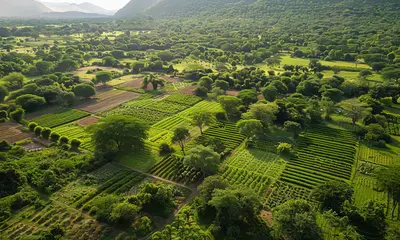
The transition from a tired, monoculture pasture to a thriving ecosystem isn't just about changing seeds; it's about changing mindsets. For farmers worldwide, facing the "green desert" of degraded land is the first step toward resilience. Here is your roadmap for bringing dead soil back to life.