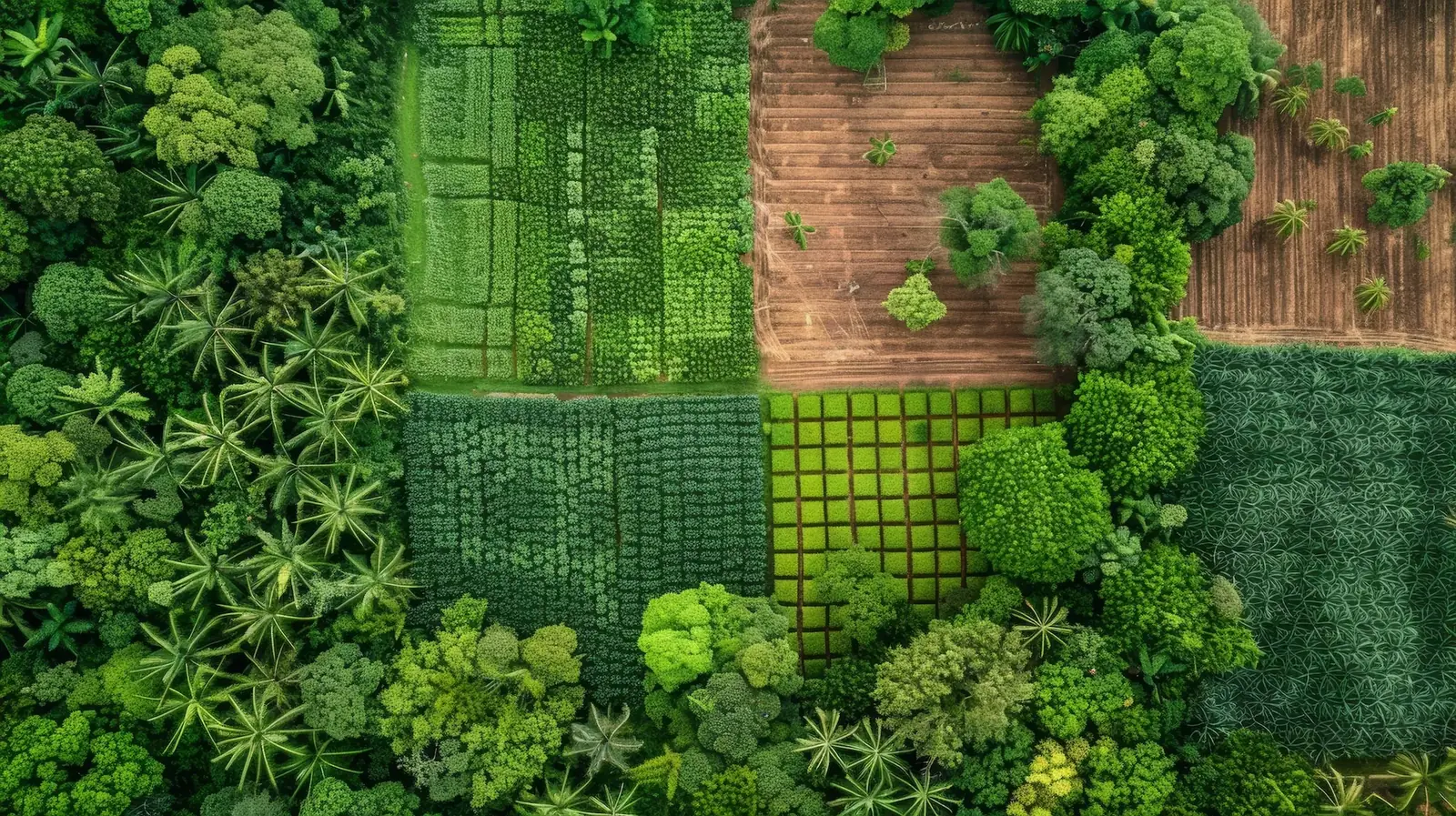
Regenerative Agriculture
The term is everywhere, but what does it actually mean for the farmer making decisions on the ground? Here we break down what regenerative agriculture is (and isn't), how it's measured, what the transition looks like in practice, and where the debate still stands.

Regenerative Agriculture Has a Definition Problem
Regenerative agriculture has no single agreed definition. In journals, certification schemes, and corporate sourcing programs, the term means different—sometimes conflicting—things. That inconsistency is not a communication problem. It traces directly to how the definitions are built, and it shapes what farmers get paid for.
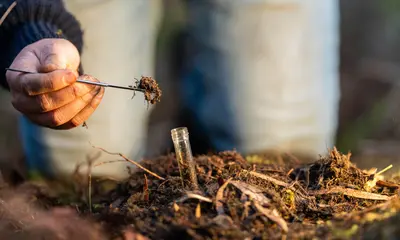
The Five Principles of Soil Health: What the Evidence Says
The five principles of soil health — minimize disturbance, keep soil covered, keep living roots, maximize diversity, and integrate livestock — have shaped farm advice worldwide. They are a useful starting point. But a growing body of field research shows they behave less like universal laws and more like context-dependent tools. Some hold almost everywhere; others reverse in the wrong climate or system. Knowing the difference matters.

From Yields to Resilience: Why and How to Transition from Conventional to Regenerative Agriculture
For generations, the goal was simple: maximize yield. But as input costs rise and weather patterns shift, many farmers are finding that "business as usual" is no longer profitable. Transitioning to regenerative agriculture isn't just about saving the soil—it's about saving the farm business. Here is your roadmap to building a resilient, profitable future, starting with the ground beneath your boots.
What Do We Mean When We Say "Regenerative"? Decoding the Buzzword for Farmers
Ask ten farmers to define "regenerative agriculture," and you might get eleven different answers. From a corporate buzzword to a grassroots revolution, the term is everywhere. But what does it actually mean for your farm? We cut through the noise to explore the principles, the pioneers, and the debates defining the future of farming.
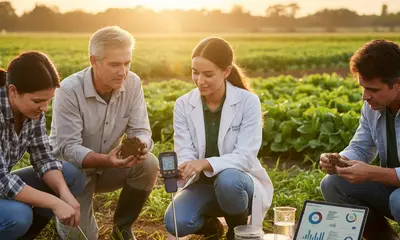
Measuring What Matters in Regenerative Agriculture
Regenerative agriculture promises healthier soils, more resilient farms, and stronger rural economies but only when results are measured. This article explains why metrics matter, what to measure on your farm, what you gain by tracking outcomes, and a simple, practical pathway to build a lean monitoring system.
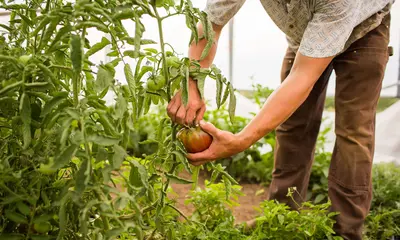
How Regenerative Agriculture Reduces Reliance on External Inputs
For decades, farmers have relied on expensive synthetic fertilizers, pesticides, and imported feed to maintain yields. However, this dependency often leads to rising costs and degraded soil. Regenerative agriculture offers a different path: restoring natural systems to produce more with less. By focusing on soil biology, biodiversity, and water retention, farmers can significantly reduce their reliance on external inputs. Discover how building your land’s natural capacity creates a more profitable, resilient, and independent farming operation.