Farm Economics
Transitioning to regenerative practices costs money before it saves money. These articles look at how to fund that shift, through subsidies, insurance, microfinance, carbon and biodiversity credits, and where new revenue streams are opening up beyond commodity production.

Farm Credit Access: What Lenders Check, in Their Order
Lenders approve what an application can prove. Agricultural lenders assess eligibility, repayment history, cash-flow capacity, equity and collateral in a predictable order. This guide follows that order, shows how to test a loan's debt service coverage ratio before the lender does, and lists the documents that prevent the most common, and most fixable, refusals.
Cultivating Capital: Financing the Regenerative Agriculture Transition
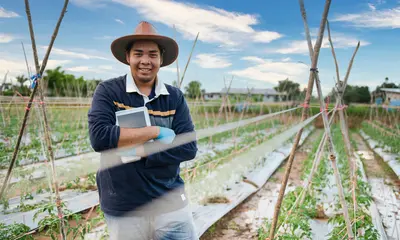
Transitioning to regenerative agriculture is a powerful investment in the long-term health of your soil, but securing the capital to make that shift can feel incredibly daunting. From USDA microloans in America to the European Union's evolving CAP eco-schemes, a growing financial safety net is emerging. Let's explore how small and medium-sized farms worldwide can access these vital financing options to bridge the gap and thrive sustainably.
Navigating Farm Subsidies for Regenerative Agriculture
For decades, agricultural subsidies prioritized maximum yield above all else, often at the expense of soil health and biodiversity. Today, a paradigm shift is underway. Governments worldwide are restructuring farm policies to reward regenerative agriculture and sustainable land management. Here is how small and medium-sized farmers can navigate these changing systems to fund their ecological transition.