Farming Future
Farming it's about who grows it and whether they can keep going. These articles cover the people side: women in agriculture, the next generation of farmers, succession planning, cooperatives, climate adaptation, and what it takes to build communities that last.

Main learnings from COP 30
As the global community gathered in the heart of the Amazon for COP30, the spotlight turned to the frontline guardians of our planet: smallholder farmers. In Belém, the conversation shifted from high-level theory to practical resilience. For small and medium-sized farmers, the message was clear: regenerative agriculture is no longer just an alternative—it is the cornerstone of a sustainable, climate-secure future for our global food systems. The city of Belém, perched at the mouth of the Amazon River, served as more than just a backdrop for the COP30 climate summit. It acted as a living laboratory for the very challenges small farmers face today. Under the humid canopy of the world’s largest rainforest, world leaders, scientists, and agriculturalists met to finalize the path forward for the "Paris Agreement" goals. But for the small and medium-sized farmers who serve as the backbone of our global food systems, the real story of COP30 wasn't just in the high-level negotiations—it was in the recognition that local, regenerative land management is our best defense against a volatile climate. For years, the global climate dialogue often overlooked the nuanced needs of smallholders. However, the "Belém Legacy" has signaled a turning point. The summit emphasized that we cannot solve the climate crisis without transforming how we farm. For farmers on the ground, this means a renewed focus on soil health, direct access to climate finance, and the integration of traditional wisdom with modern regenerative techniques.
A Practical Guide to Community Supported Agriculture (CSAs)
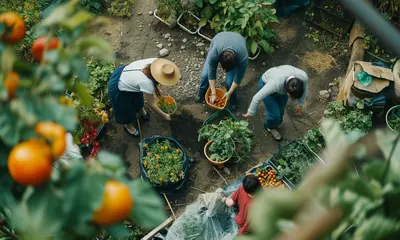
Community supported agriculture (CSA) can be a powerful tool for small and medium-sized farmers who want stable income, closer relationships with local eaters, and a path toward regenerative agriculture. But CSAs also come with real risks: burnout, unhappy members, and cash-flow stress. This guide walks through where CSAs came from, what makes them succeed, and how you can design a CSA that works for your land and your life.