


The dream of homesteading often begins with a single image: a basket of fresh eggs, a cellar full of preserves, or the quiet satisfaction of watching a sunset over a field you planted yourself. However, for many small and medium-sized farmers around the world, this transition toward a more self-sufficient, regenerative way of life is increasingly attractive because it offers a buffer against global supply chain volatility. Moving from conventional land management to a fully integrated homestead requires more than just passion. It requires a fundamental shift in how we perceive our relationship with the earth—moving from a mindset of extraction to one of stewardship.
At its core, a homestead is a productive unit of land where the inhabitants aim for a high degree of self-sufficiency. Unlike a traditional commercial farm that might focus on a single cash crop, a homestead thrives on biodiversity and ecosystem health. It is a living system where every element—from the microbes in the soil to the livestock in the pasture—plays a role in a circular economy of nutrients. To succeed, one must view the homestead not as a collection of separate projects, but as a single, breathing organism.
Defining the Homesteading Vision: Beyond the Aesthetic
Before the first fence post is driven into the ground, it is essential to define what homesteading means for your specific context. Is your goal to provide 80% of your family’s food? Are you looking to create a small-scale regenerative business that sells surplus to the local community? Defining your "Holistic Goal" is a concept championed by regenerative pioneers to ensure that every decision—economic, social, and environmental—aligns with your long-term values.
In many regions, particularly across the Global South, homesteading is a modern evolution of traditional smallholder farming. A 2022 report highlights that family farms produce about 80% of the world's food in value terms. Transitioning these spaces into regenerative homesteads involves moving away from external synthetic inputs and toward "closed-loop" systems. This means your "waste" becomes your "wealth"—compost feeds the garden, garden scraps feed the chickens, and chicken manure regenerates the soil. This circularity is the hallmark of a mature, functioning ecosystem.
The Architecture of a Regenerative Homestead
Homesteading is less about a specific set of chores and more about a sequence of observations. Experts in regenerative agriculture often recommend the "rule of the first year": do as little as possible for the first twelve months. Observe where the water pools during a storm, where the frost lingers longest, and which native plants thrive without intervention. This observation period allows you to design your systems to work with the land's natural tendencies rather than against them.
1. Soil Stewardship: Managing the Underground Economy
Regenerative homesteading begins beneath your feet. Conventional farming often treats soil as a medium to hold plants while we add chemicals. A regenerative homesteader treats soil as a biological engine. This involves minimizing soil disturbance through no-till or low-till methods and keeping the ground covered with mulch or cover crops year-round.
True depth in soil stewardship involves understanding the Soil Food Web. By fostering mycorrhizal fungi and beneficial bacteria, you create a system where plants can access nutrients that are otherwise locked in the soil profile. According to the USDA, healthy soil with high organic matter can absorb significantly more water during floods and retain it longer during droughts, providing a natural insurance policy against climate volatility. Increasing your soil organic matter (SOM) by just 1% can allow an acre of land to hold an additional 20,000 gallons of water.
2. Landscape Hydrology: Slow, Spread, and Sink
Reliable water is the lifeblood of any homestead, but regenerative water management goes beyond drilling a well. It involves managing the "hydration" of the entire landscape. This might include installing massive rainwater harvesting systems or implementing Keyline design—a technique that uses the natural topography to redistribute water from wet valleys to dry ridges.
Digging "swales" (level trenches on contour) allows water to "slow, spread, and sink" into the ground, recharging the local aquifer rather than causing erosion through runoff. In arid regions, researchers emphasize that efficient water use and landscape-scale water retention are the most critical factors for smallholder profitability and resilience. By turning your soil into a sponge, you reduce the need for expensive irrigation systems.
3. Integrated Livestock and Nutrient Cycling
Animals are not just food sources; on a regenerative homestead, they are mobile fertilizers and biological managers. The key is managed intensive rotational grazing (MIRG). By moving animals frequently to fresh pasture and allowing the grazed areas to rest and recover, you mimic the behavior of wild herds. This process stimulates root growth and pumps carbon into the soil.
Chickens can follow cattle in a rotation to sanitize pastures by eating fly larvae in manure, while goats can be used to clear invasive brush without the need for heavy machinery or herbicides. This integration ensures that nutrients are constantly moving and being transformed, rather than accumulating as "pollution" in one area. The goal is to reach a point where your land produces enough forage to sustain your animals through the winter, further closing the loop.
Counting the Cost: The Financial Reality of Resilience
One of the most common misconceptions is that homesteading is a shortcut to a cheap life. While it reduces your monthly grocery bill over time, the upfront capital requirements and the "opportunity cost" of your labor are significant.
- Land and Infrastructure: Beyond the purchase price, you must budget for high-tensile fencing, climate-appropriate animal shelters, and secure tool storage. For a small-scale operation, basic fencing for a few acres can cost anywhere from $1,500 to $6,000 depending on materials and predator pressure.
- Energy Independence: True self-sufficiency often includes an energy audit. Solar arrays, battery storage, and passive solar greenhouse designs are significant investments that pay off over decades, not months.
- The "Invisible" Costs: Seeds, organic soil amendments, veterinary fees, and specialized tools like broadforks or honey extractors add up quickly. A common piece of advice from veteran homesteaders is to calculate your expected budget and then add 20% for the "unknowns"—broken well pumps, unexpected pests, or a sudden need for supplemental winter feed during a drought.
According to a USDA ARS study, while initial yields may see a slight dip as the ecosystem adjusts, the long-term reduction in input costs (pesticides, fertilizers) often leads to higher net profitability for small-scale managers. Furthermore, diversified income streams—such as selling surplus eggs, heirloom seeds, or value-added products like jams—can provide the cash flow needed to sustain the homestead during lean years.
What to Expect: The Learning Curve and Mental Resilience
Homesteading is a marathon, not a sprint. The physical demands are real, but the mental shift is often more challenging. You are moving from a consumer mindset, where solutions are bought, to a producer mindset, where solutions are engineered or grown.
The Science of Setbacks
Expect failure, but view it through a scientific lens. A crop might fail because of an unseasonable heatwave, or a predator might find its way into your "predator-proof" coop. These aren't signs that you shouldn't be homesteading; they are data points. Regenerative management is a process of observation and adaptation. If a specific heirloom tomato variety keeps getting blight in your humid climate, the land is telling you to try a different variety or move your garden to a spot with better airflow. This "iterative design" is what eventually leads to a highly productive, low-maintenance system.
Seasonal Rhythms and Social Capital
Your life will become dictated by the seasons rather than the clock. This alignment with natural cycles provides a profound sense of purpose, but it can also be isolating. Building "social capital"—relationships with neighbors for bartering, tool-sharing, and labor exchanges—is as important as building soil capital. The World Bank emphasizes that community-led knowledge sharing is one of the most effective ways to scale sustainable practices.
Global Perspectives: Silvopasture and Agroforestry
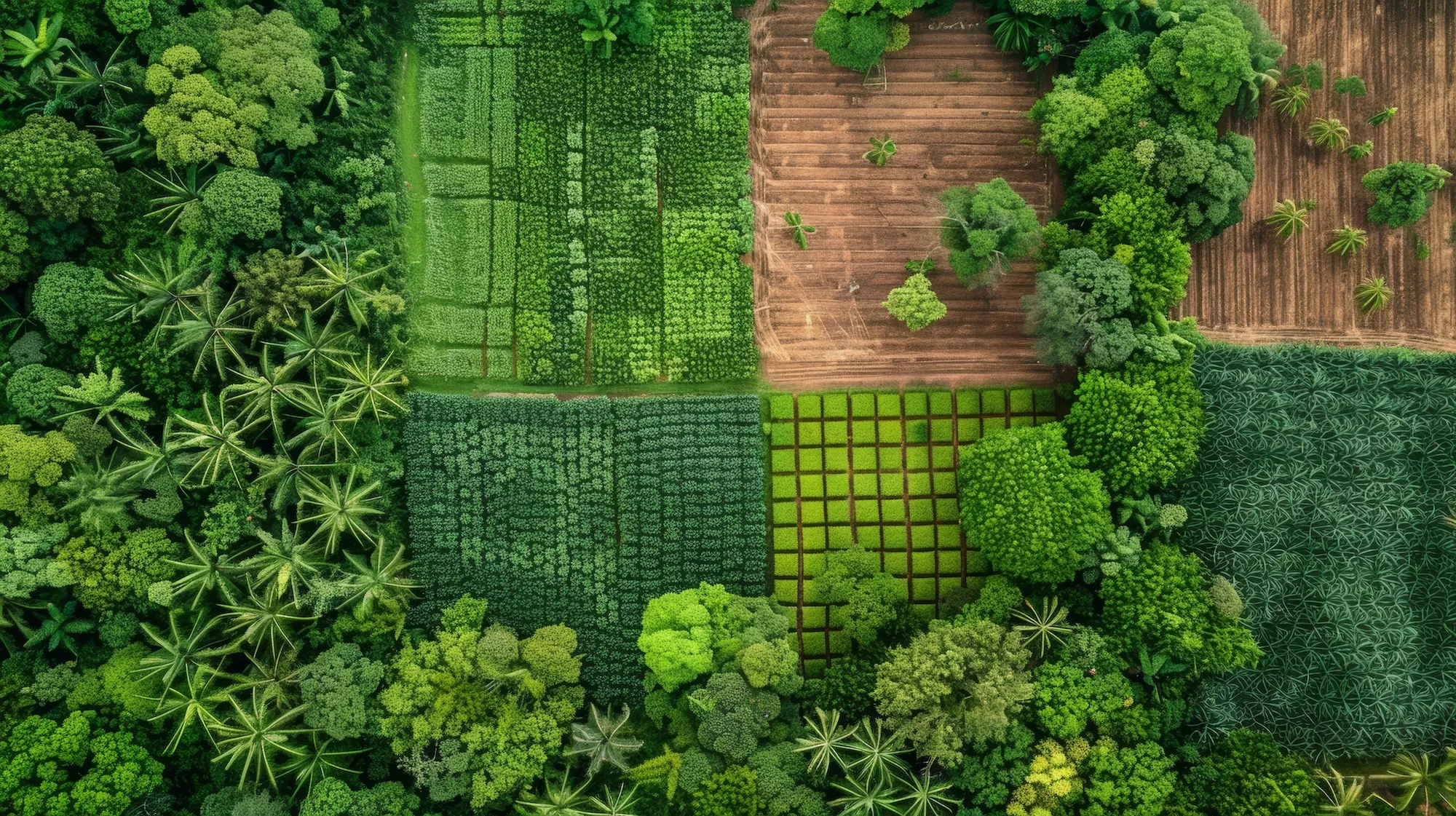
In regions like East Africa or Southeast Asia, the integration of trees into the homestead—known as agroforestry—is a vital strategy. Trees provide firewood, fodder for animals, and nitrogen for the soil while acting as windbreaks. In temperate Europe or North America, "silvopasture" (grazing livestock among trees) is gaining traction as a way to improve animal welfare and sequester massive amounts of carbon. Regardless of location, the principles remain the same: layering functions to increase the total yield of the land.
Getting Started: Three Actionable Steps
If you are ready to begin, don't try to build the whole system at once. Start small to avoid "homestead burnout," a common phenomenon where new farmers take on too much too fast.
- Perform a Site Analysis: Map your land's topography, sun exposure, and prevailing winds. Identifying your growing site allows you to place the most labor-intensive elements (like the kitchen garden) closest to the house.
- Audit Your Water and Soil: Before you plant, know your starting point. Test for heavy metals, nutrient deficiencies, and organic matter content. A comprehensive soil test is the most valuable investment you can make in your first year.
- Invest in Education Before Hardware: Spend your first few hundred dollars on books, workshops, and visits to successful regenerative farms. Understanding the why of nutrient cycling is more valuable than owning a shiny new tractor.
The Path Forward: Building a Legacy
Homesteading is an act of hope. It is an investment in the future of the planet and the health of your community. By choosing regenerative practices, you are not just growing food; you are actively restoring the ecosystem services that sustain life. Research from the Rodale Institute suggests that regenerative systems are more resilient to extreme weather, ensuring food security in an uncertain future.
As we face a changing global climate, [suspicious link removed] through resilient homesteads provides a model for how we might live more gently on the earth. It is a challenging path, but for those willing to listen to the land, the rewards are measured in more than just bushels—they are measured in the vitality of the soil, the health of the family, and the peace of a life lived in balance with nature.
Sources:
- FAO: Family Farming Knowledge Platform
- NRDC: Regenerative Agriculture 101
- CGIAR: Sustainable Farming Innovation
- USDA ARS: The Economics of Regenerative Agriculture
- Rodale Institute: Managing Pasture for Soil Health
- World Bank: Climate-Smart Agriculture
- IPCC: Special Report on Climate Change and Land
- SARE: Biology of Soil Health
- World Agroforestry (ICRAF): Agroforestry Principles


 Use Valora On-the-Go!