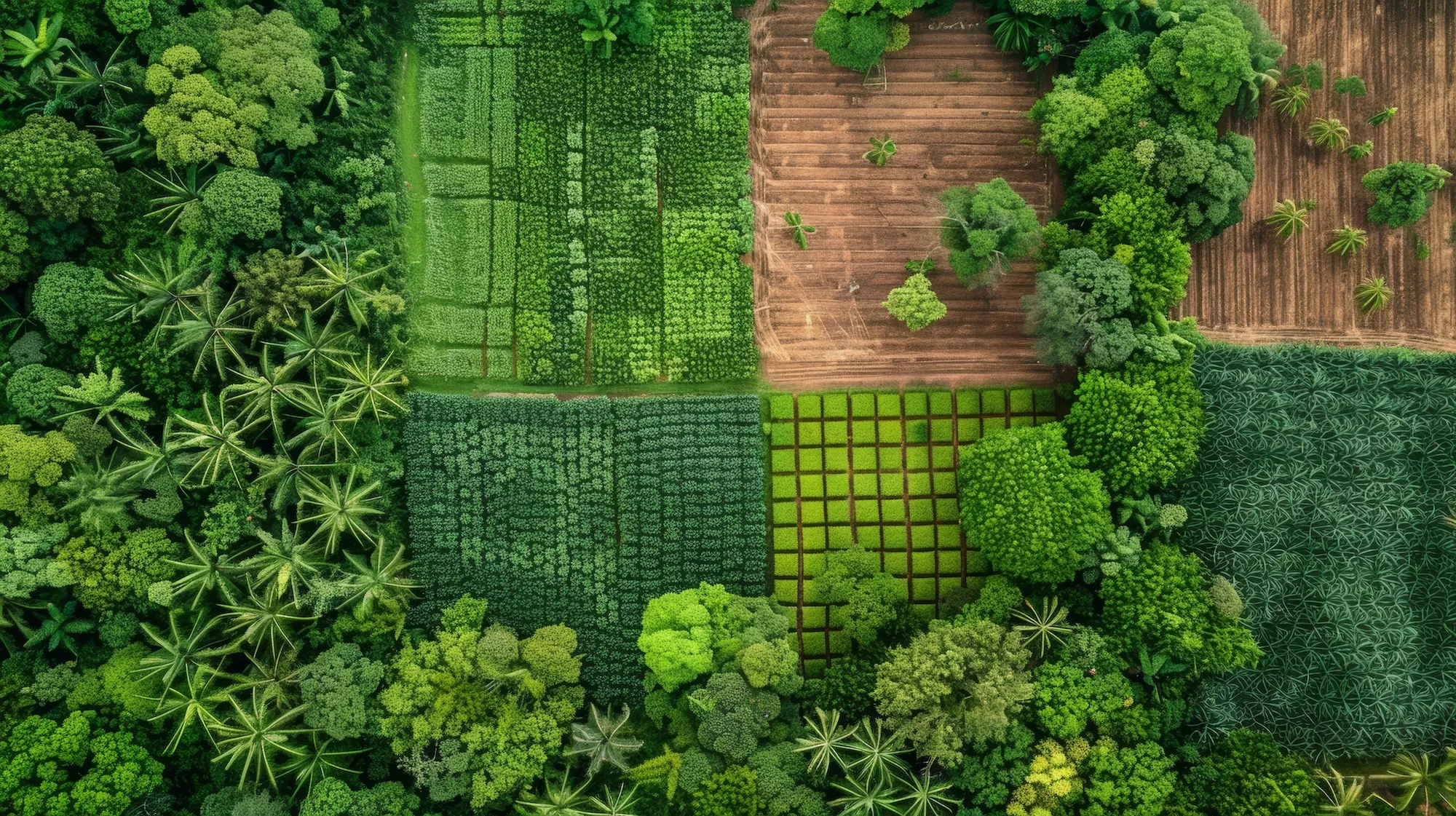


The landscape of global agriculture is shifting beneath our feet. For small and medium-sized enterprises (SMEs) in the farming sector, the challenge is no longer just about yield; it is about resilience. A 2025 World Bank report recently highlighted that the world is losing 324 billion cubic meters of freshwater annually—a sobering reality that makes traditional irrigation increasingly difficult. In response, a new era of "Blue-Green" farming has emerged, moving away from the soil and into controlled, water-efficient environments.
Whether you are a farmer in the arid regions of sub-Saharan Africa or managing a small plot in the lush valleys of Southeast Asia, understanding the nuances of aquaculture, hydroponics, and aquaponics is essential for a sustainable future. These systems offer a way to produce more with less, turning water from a scarce resource into a high-efficiency tool.
The Foundation: Understanding the Three Systems
To choose the right path for your farm, you first need to understand the mechanics behind each approach. While they all share a common reliance on water, their outputs and management styles differ significantly.
Aquaculture: Cultivating the Water
Aquaculture is effectively "farming in water." It involves the breeding, rearing, and harvesting of fish, shellfish, and aquatic plants. While it can take place in natural bodies of water, modern sustainable aquaculture often uses Recirculating Aquaculture Systems (RAS). These systems filter and clean water so it can be reused, significantly reducing the environmental footprint compared to traditional pond farming.
The FAO’s 2025-2034 Agricultural Outlook projects that aquaculture will be the primary driver of growth in the fisheries sector, providing over 56% of total global production. For a farmer, aquaculture offers a high-protein crop that often fetches a better market price than staple grains, especially as wild-capture fisheries remain stagnant.
Hydroponics: Growth Without Soil
If aquaculture is the "Blue" side of the coin, hydroponics is the "Green." Hydroponics is the practice of growing plants in a nutrient-rich water solution without any soil. The roots are supported by inert media like perlite or rockwool, or are simply suspended in water.
By delivering nutrients directly to the root zone, plants in a hydroponic system often grow 20–30% faster than those in soil. This method is particularly effective for high-value leafy greens, herbs, and vine crops like tomatoes and cucumbers. Because the water is contained in a closed loop, hydroponic agriculture offers a soilless cultivation method that uses up to 90% less water than conventional field farming.
Aquaponics: The Circular Synergy
Aquaponics is the marriage of the two. It creates a symbiotic ecosystem where the waste produced by fish (which would otherwise be a pollutant in a pure aquaculture system) becomes the primary nutrient source for the plants.
In an aquaponic cycle:
- Fish produce ammonia-rich waste.
- Beneficial bacteria oxidize ammonia into nitrates through a natural process called nitrification.
- Plants absorb these nitrates as fertilizer, effectively cleaning the water.
- The purified water is pumped back into the fish tanks.
This "closed-loop" model is the pinnacle of regenerative agriculture in a water-based context, eliminating the need for synthetic fertilizers and reducing water waste to almost zero.
Choosing Your Path: How They Compare
Deciding which system to implement depends on your local climate, available capital, and market demand. While they appear similar, the operational requirements vary.
Resource Efficiency and Management
Hydroponics requires a consistent supply of synthetic or organic liquid fertilizers. This makes the system highly predictable but also leaves the farmer vulnerable to supply chain disruptions and rising fertilizer costs.
In contrast, aquaponics replaces expensive fertilizers with fish feed. While the initial setup of an aquaponic system is more complex due to the need to balance the "biological load" between fish and plants, the long-term operational costs can be lower. A report by the Alliance of Bioversity International and CIAT notes that integrated farming systems provide farmers with a more diverse and resilient income stream, which is vital for achieving water-resilient farming for millions of producers.
Comparison Table for Small and Medium Farmers
Feature
Aquaculture
Hydroponics
Aquaponics
Primary Output
Fish/Shellfish
Leafy Greens/Vegetables
Both Fish and Plants
Water Source
Freshwater or Marine
Freshwater
Freshwater
Nutrient Source
Fish Feed
Mineral Solutions
Fish Waste (Natural)
Complexity
Moderate
Low to Moderate
High
Initial Cost
Moderate
Moderate
High
Key Advantage
High-protein production
Fast growth, high yield
Circular, no chemicals
Ideal Situations: Where Each System Shines
Every farm has a unique "fingerprint" of resources. Choosing the right system means matching these resources to the system’s strengths.
When to Choose Aquaculture
Aquaculture is ideal for farmers in regions with high demand for animal protein and access to reliable energy. If you have existing ponds or access to water rights, moving to a recirculating system can increase your density and biosecurity. According to Oklahoma State University research, raising fish indoors is two to three times more expensive than in open ponds, so it is best suited for high-value species like Tilapia or Catfish in markets where freshness commands a premium.
When to Choose Hydroponics
Hydroponics is the "speed king." It is the best choice for farmers near urban centers where there is a high turnover of fresh produce. If your goal is to produce large volumes of lettuce or herbs on a small lot, controlled comparisons between soil and hydroponic systems show that hydroponics is vastly more efficient. It is also the easiest system to automate, making it a good fit for farmers who have limited labor but some access to technology.
When to Choose Aquaponics
Aquaponics is the choice for the truly regenerative-minded farmer. It is ideal for locations where synthetic fertilizers are expensive or difficult to source. Because it is a chemical-free process (pesticides would kill the fish), it allows farmers to tap into "organic-style" markets. As IPCC reports emphasize the need for integrated land management to combat degradation, aquaponics stands out as a way to produce diverse food groups without depleting soil health.
The Global Perspective: Success in Practice
Across the globe, these systems are transforming livelihoods. In Egypt, solar-powered aquaponic systems are being used to turn desert land into productive hubs. In Brazil, aquaculture production expanded at over 8 percent annually, with small farmers integrating fish farming with traditional irrigation to improve water quality and diversify their income.
Meanwhile, in Southeast Asia, "Smart Hydroponics" is allowing smallholders to compete with industrial-scale farms by using sensors to monitor nutrient levels. These examples prove that while the technology may seem "high-tech," the principles are rooted in traditional wisdom: working with nature, not against it.
Navigating the Challenges
We must be direct about the hurdles. These systems require a more technical skillset than traditional soil farming. You are no longer just a farmer; you are a water chemist and a systems engineer.
- Energy Dependence: Pumps and aerators require constant power. For many, investing in decentralized renewable energy is a necessary secondary cost.
- Startup Costs: The infrastructure—tanks, plumbing, and grow beds—requires more upfront capital than a plow and seeds.
- Biological Balance: Especially in aquaponics, a mistake in one part of the system can lead to a collapse of the entire cycle.
However, for the resilient farmer, these challenges are outweighed by the security of a controlled environment. When a drought hits, the soil-based farmer may lose everything. The "Blue-Green" farmer, however, keeps growing.
Conclusion: Starting Your Journey
The transition to regenerative agriculture through water-based systems is not just an environmental choice; it is a strategic business move. By diversifying your output and insulating your farm from the whims of unpredictable rainfall, you are building a legacy of sustainability.
Whether you start with a simple hydroponic herb garden or a full-scale aquaponic facility, the key is to start small, learn the chemistry of your water, and understand the needs of your local market. The future of farming is fluid—and it is waiting for you to dive in.