

The New Frontier of Cattle Farming
For generations, the primary goal of conventional cattle farming was relatively straightforward: maximize herd size and push for rapid weight gain. But as we move deeper into the 2020s, the agricultural landscape looks vastly different. Small and medium-sized farmers worldwide are grappling with a complex web of challenges—from soaring fertilizer and feed costs to increasingly unpredictable weather patterns. In response, a profound shift is occurring. The industry is moving away from extractive, volume-based models and toward systems that prioritize quality, resilience, and ecosystem health.
This transition is rooted in sustainable land management. Instead of viewing cattle merely as products to be harvested, forward-thinking producers now recognize their herds as vital tools for landscape restoration. When managed correctly, cattle can actively repair degraded land, store carbon, and enhance biodiversity (Teague, 2018). This is not just about environmental stewardship; it is fundamentally about saving the farm. By adopting regenerative agriculture principles, producers are discovering that they can significantly lower their input costs (Green et al., 2021) while simultaneously producing a higher-quality product that commands a premium price in the open market.
The Core of Regenerative Agriculture: Soil Health
To understand modern cattle farming best practices, one must first look down. The true wealth of any grazing operation lies not in the livestock, but in the soil beneath their hooves. Soil health is the biological engine that drives the entire farm ecosystem. Healthy, microbially diverse soil retains more water, resists erosion, and naturally cycles nutrients. This means farmers can grow more forage with far less reliance on expensive synthetic fertilizers.
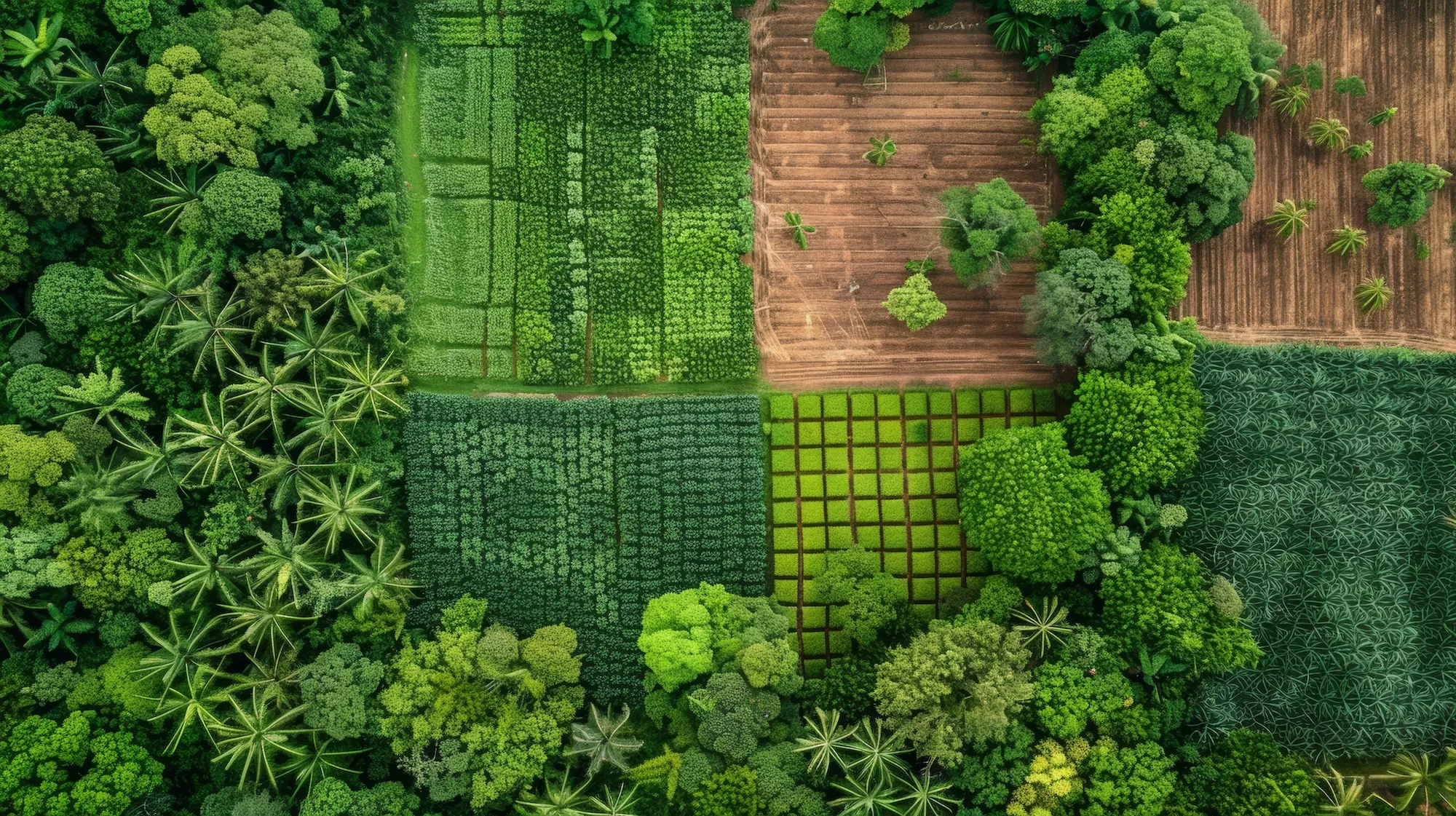
In a conventional system, the historical trend of monocultures has drastically altered the agricultural landscape, draining soil fertility. Continuous grazing often leads to compacted dirt, depleted root systems, and rampant weed proliferation. Regenerative agriculture flips this dynamic. By mimicking the natural movement of wild ruminant herds, farmers use their cattle to stimulate plant growth and press organic matter back into the earth. The cattle graze the top third of the forage, trample the rest into a protective layer of thatch, and fertilize the ground with their manure before being moved to fresh pasture. This approach allows the land ample time to recover, resulting in deep root systems that draw carbon out of the atmosphere and trap it securely underground (Johnson et al., 2022). Over time, this natural cycle builds rich topsoil, making the farm highly resistant to both drought and flooding.
Best Practices in the Modern Pasture
Implementing these concepts requires a shift from passive observation to active, adaptive management. One of the most effective methods is Adaptive Multi-Paddock (AMP) grazing (Jorns et al., 2024). This is a rotational strategy where cattle are kept at high densities in small paddocks for very short periods—sometimes moving them multiple times a day. This intensive management prevents overgrazing and evenly distributes nutrient-rich manure across the landscape (Teague, 2018).
Furthermore, integrating diverse plant life into pastures is proving to be a game-changer. Monoculture pastures are highly vulnerable to pests and climate stress. By introducing a complex mix of deep-rooted grasses, legumes, and even trees through silvopasture, farmers create a highly resilient forage base (Hatt et al., 2024). This directly translates into both environmental and economic gains, ensuring cattle have access to high-protein diets year-round and reducing the need for purchased supplemental feed.
Navigating Global Environmental Challenges
Despite the clear benefits of regenerative agriculture, the path forward is not without its hurdles. Farmers today are on the front lines of global climate events, weathering regulatory storms and climate volatility (Green et al., 2021). Prolonged droughts dry up watering holes and stunt grass growth, while intense, unseasonal rainfall can wash away precious topsoil and damage infrastructure.
Beyond the weather, producers face tightening regulations around water usage and greenhouse gas emissions. Industrial, grain-heavy livestock systems are increasingly scrutinized for their heavy carbon footprints and methane output. Small and medium-scale farmers can separate themselves from this scrutiny by adopting practices that sequester carbon. By demonstrating that their cattle are part of a closed-loop, climate-smart system, farmers can not only weather these storms but also access emerging financial incentives.
Maximizing Operations and Profitability
The most pressing question for any farmer considering a change in management is simple: How does this impact the bottom line? The conventional wisdom that sustainability inherently sacrifices profit has been thoroughly debunked. In fact, regenerative systems are specifically designed to maximize operations by minimizing external costs.
When you focus on soil health and rotational grazing, your primary inputs—fertilizer, herbicide, and supplemental feed—drastically decrease (Green et al., 2021). Veterinary bills often drop as well, as cattle foraging on diverse, chemical-free pastures tend to exhibit stronger immune systems and fewer internal parasite loads. While yields might fluctuate during the initial transition period, regenerative systems can eventually deliver profits twice as high as conventional operations (Hatt et al., 2024).
Furthermore, experts are continually finding that regenerative management inherently promotes better animal welfare, which directly correlates to healthier, faster-growing livestock. By operating in harmony with nature rather than fighting against it, farmers create a leaner, more robust business model that is insulated against sudden spikes in global commodity prices, reducing stress and subsequently improving overall meat quality.
Meeting the Market: The Demand for Premium Beef
While saving money on inputs is crucial, the real financial windfall in modern cattle farming comes from the consumer end of the supply chain. We are currently witnessing an unprecedented market shift toward “ultra-premiumization.” Today's consumers are highly educated about where their food comes from, and they are looking for meat that aligns with their ethical and environmental values.
This means there is massive, growing demand for premium beef: products that are 100% grass-fed, organically raised, and regeneratively sourced (Wang et al., 2022). Buyers are actively seeking out transparency, looking for farms that can prove they are improving soil health and prioritizing animal welfare, and they are willing to pay a price premium for organic beef due to its perceived health benefits. For a small or medium-sized farmer, competing with massive commercial feedlots on volume is a losing battle. However, competing on quality is where independent producers have a distinct, highly profitable advantage.
Creating a premium product requires meticulous attention to detail. It starts with genetics—selecting heritage breeds or cattle specifically adapted to thrive on your local forage without grain supplements. It continues with stress-free handling techniques (Edwards-Callaway & Calvo-Lorenzo, 2020) and ends with careful, specialized processing, such as dry-aging, which enhances flavor and tenderness. By bypassing the traditional commodity sale barn and selling directly to consumers, local restaurants, or regional cooperatives, farmers can capture the full retail value of their animals. This direct-to-consumer model allows producers to tell their farm's story, turning their sustainable land management practices into a highly marketable asset.
Aligning with Global Frameworks
This grassroots shift toward sustainable cattle farming is supported by major international movements. Global policymakers are increasingly recognizing that livestock, when managed correctly, are essential for global food security and environmental restoration. For example, adapting to European and global policies on beef cattle welfare aligns farms with frameworks that aim to guide the transformation of the sector, emphasizing the integration of livestock measures into national climate strategies and promoting circular bioeconomy models.
For the independent farmer, aligning with these broader global frameworks means staying ahead of the curve. It opens doors to government grants, conservation stipends, and premium certifications. It proves to the market that your farm is not an outdated relic of the past, but a vital, active participant in building a resilient global food system.
Cultivating a Profitable Future
The future of cattle farming does not lie in concrete feedlots or chemical-drenched pastures. It lies in the intricate, symbiotic relationship between the sun, the soil, the forage, and the herd. Regenerative agriculture is an invitation to step off the treadmill of ever-increasing input costs and embrace a system that naturally compounds its own value year after year.
By prioritizing soil health, adapting to climate challenges with smart grazing techniques, and pivoting toward the highly lucrative premium beef market, small and medium-sized farmers can secure their livelihoods for generations to come. The work is undoubtedly hard, and the transition requires patience and sharp observation. But the reward—a thriving, ecologically vibrant farm that produces some of the finest, most sought-after beef in the world—is well worth the effort. In the end, the best way to maximize your farming operation is to let nature do the heavy lifting.