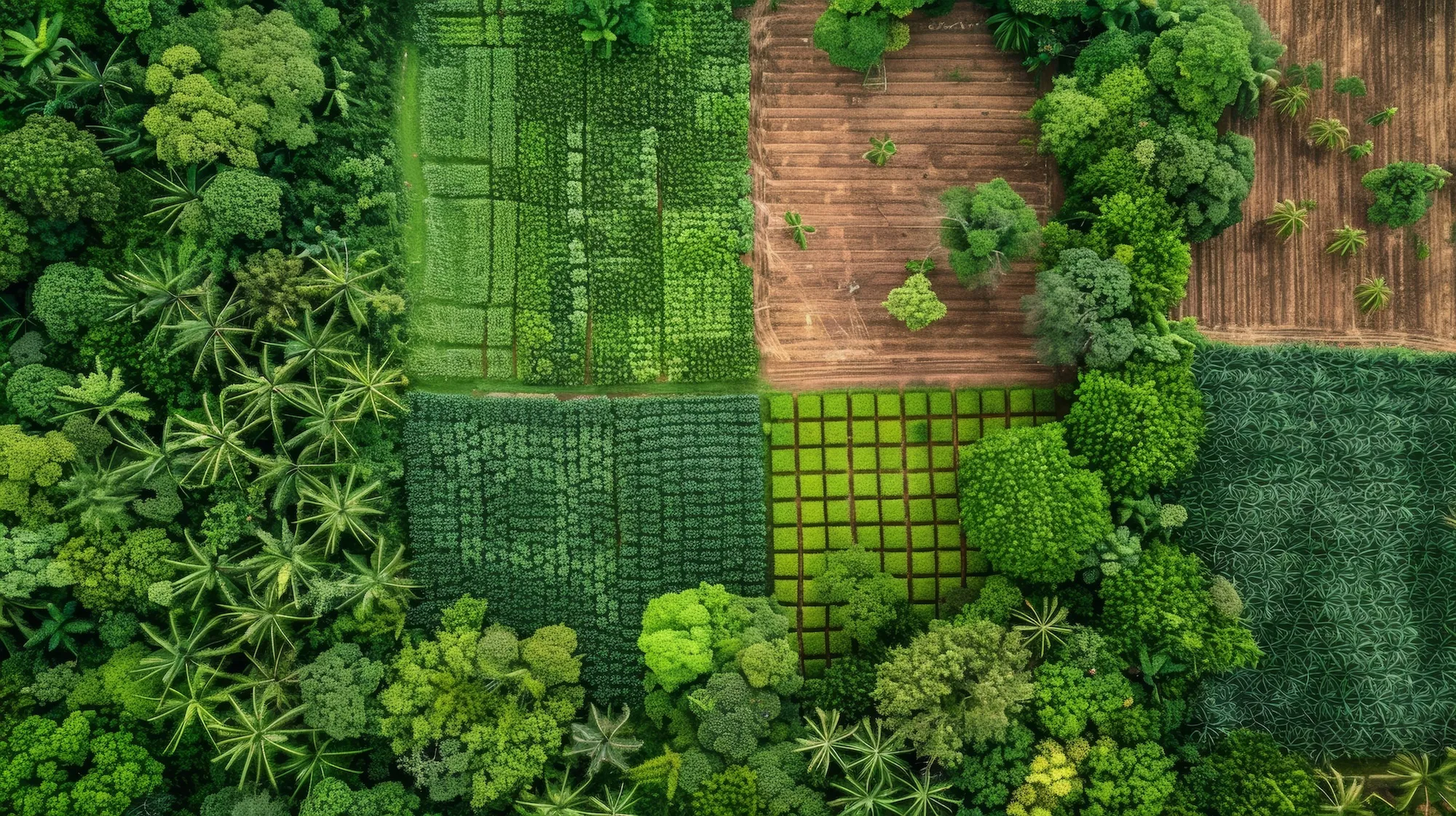


The Amazon Consensus: Agriculture as a Solution
One of the most significant shifts at COP30 was the move away from viewing agriculture solely as a source of emissions. Instead, the consensus in Belém reframed the farm as a powerful carbon sink. For small farmers, this is a vital distinction. When we practice regenerative agriculture, we are not just growing crops; we are actively sequestering carbon, restoring water cycles, and protecting biodiversity.
The summit highlighted that smallholders are uniquely positioned to lead this transition. Unlike industrial monocultures, small-scale farms are often more adaptable and integrated into their local ecosystems. In Belém, the "Nature-Based Solutions" track specifically called for the scaling of practices that have long been the hallmark of smallholder systems: agroforestry, cover cropping, and minimal soil disturbance. These aren't just buzzwords; they are the tools that allow a farm to stay productive even when heavy precipitation events or intense droughts threaten the harvest.
Bridging the Finance Gap for Smallholders
A recurring theme throughout the summit was the "finance gap." While billions of dollars are pledged toward climate action, very little has historically reached the hands of the individual farmer. COP30 aimed to change the plumbing of global finance to ensure that small and medium-sized enterprises (SMEs) in agriculture can access the capital they need to transition to regenerative models.
For a farmer in the Global South or a medium-sized producer in the heartlands of Europe or North America, transitioning to regenerative practices involves an initial period of risk. Yields may fluctuate as soil biology rebalances, and new equipment or seeds require investment. The Belém discussions pushed for "de-risking" mechanisms—low-interest loans and direct grants—that recognize the public service farmers provide when they restore soil health.
The financial impact of climate disasters is staggering, with trillions lost in global agriculture over recent decades. COP30 emphasized that investing in resilience now is far cheaper than paying for disaster relief later. For the farmer, this means that the coming years should bring more opportunities for "payment for ecosystem services," where the carbon you store in your soil becomes as valuable as the grain you sell at market.
Soil Health: The Foundation of the Belém Agenda
If there was a "star" of the agricultural track at COP30, it was soil. The scientific community presented overwhelming evidence that soil organic matter (SOM) is the single most important factor in climate resilience. In the Amazonian context, where nutrient-poor soils are common, the ancient practice of creating "Terra Preta" (dark earth) served as an inspiration for modern regenerative strategies.
Regenerative agriculture starts with the understanding that soil is a living community. By moving toward organic no-till or minimum-till, farmers preserve the delicate fungal networks that hold the earth together. At COP30, delegates discussed how these practices create a "sponge effect," allowing soil to hold 20,000 to 27,000 gallons of water per acre for every 1% increase in organic matter. This biological infrastructure is what allows a farm to resist both drought and flood.
Biodiversity and the Power of Diverse Yields
COP30 also reinforced the link between climate resilience and biodiversity. The "Belém Declaration" specifically encouraged the move away from monocultures toward diversified systems. For small farmers, this means that crop diversification is no longer just a traditional practice—it is a globally recognized climate strategy.
In the hallways of the summit, farmers from the Caribbean shared stories of how back-to-back hurricanes wiped out specialized export crops, while those with diverse "food forests" or intercropped fields had something to harvest the next day. This narrative was echoed by African farmers using agroforestry to increase yields by 45%. The takeaway for any smallholder is clear: diversity is your natural insurance policy. By planting a variety of species, you ensure that even if one crop fails due to a temperature spike or a new pest, others will thrive.
Traditional Knowledge Meets Modern Science
Perhaps the most culturally significant outcome of COP30 in Brazil was the elevation of Indigenous and traditional knowledge. The summit recognized that many of the "innovations" in regenerative agriculture are actually ancient practices that have been refined over millennia.
For the modern small farmer, this means there is great value in looking backward to move forward. Indigenous communities in the Amazon have managed the forest for thousands of years without depleting its resources. Their methods of seed saving and land rotation are now being validated by high-tech soil sensors and satellite mapping. COP30 encouraged a "knowledge exchange" where farmers are not just recipients of technology but are respected as the primary innovators in the field.
Practical Steps Forward: Life After Belém
While the international community works on policy, what can a farmer do today to align with the "Belém Legacy"? The transition to resilience doesn't happen overnight, but it does start with actionable steps:
- Assess Your Soil Armor: Look at your fields after a harvest. Is the soil bare? Start experimenting with cover crops or leaving crop residue on the surface. Protecting the soil surface is the most immediate way to lower ground temperatures and prevent erosion.
- Monitor Your Water Infiltration: Observe how your land handles a heavy rain. If water is pooling or running off quickly, your "sponge" is dry. Incorporating organic compost or reducing tillage can begin to improve your soil's infiltration rates.
- Explore Local Agroforestry: Even a single row of trees can act as a windbreak and create a cooler microclimate for your crops. Look for native species that offer secondary yields like fruit, fodder, or timber.
- Connect with a Resilience Network: COP30 highlighted the power of farmer-to-farmer learning. Whether it is a local cooperative or a global platform like Valora Earth, sharing data and experiences is the fastest way to scale success.
A Global Community of Resilience
The spirit of COP30 was one of collective action. From the 24 million hectares restored in Africa through farmer-managed natural regeneration to the 100,000 women farmers in Burundi reclaiming their land, the global movement is growing.
Small and medium-sized farmers are no longer passive observers of the climate crisis. We are the active protagonists. The learnings from Belém provide a roadmap, but the real work happens in the soil of your farm. By embracing regenerative practices, you are not only securing your own livelihood against compound climate events—you are contributing to a global solution that started in the heart of the Amazon and reaches every corner of the Earth.
Conclusion: The Road Beyond Belém
The COP30 summit in Belém reminded us that the Earth is a resilient system if we give it the chance to heal. As a smallholder, you are the steward of that healing process. The transition to regenerative agriculture is a journey of observation, adaptation, and community.
While the weather may be more unpredictable than it was for our grandparents, our tools for handling it have never been more sophisticated or more deeply rooted in nature. Let the "Belém Legacy" be the spark that encourages you to look at your land not just as a workplace, but as a living partner in the fight for a sustainable future.
Keywords: COP30 Belém, regenerative agriculture, smallholder farmers, soil health, climate finance, agroforestry, climate resilience, sustainable land management.