

Blog
Latest Articles

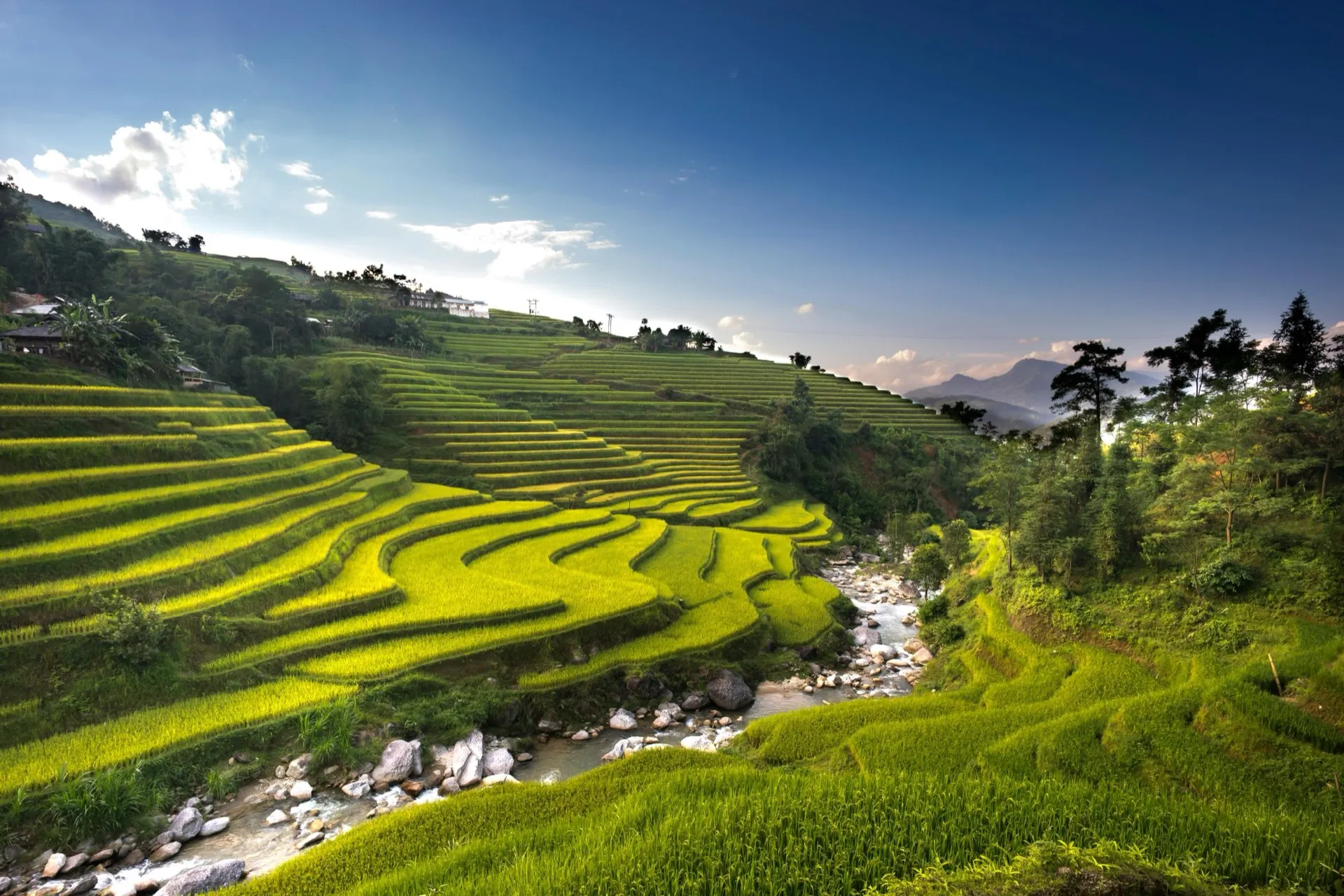
Cultivating the Future: The Evolution of Asian Agriculture
Asia’s agricultural story is one of incredible resilience and rapid transformation. From the traditional terraces of the past to the high-intensity methods of the 20th century, the region is now at a crossroads. As small and medium-sized farmers face the realities of a changing climate, a new chapter is beginning—one that blends ancestral wisdom with modern regenerative practices to restore soil health and secure global food systems.

Profitable Beef Ranching: Managing Costs and Capturing Premium Value
As global beef prices hit record highs and production costs climb, many ranchers feel squeezed. However, a shift toward regenerative agriculture offers a way to lower input costs while tapping into high-value premium markets. This post explores how small to medium-sized farmers can transition to sustainable systems that prioritize soil health, animal welfare, and long-term financial resilience.

The Evolution of European Agriculture: From Post-War Production to Regenerative Resilience
Europe’s fields are undergoing a quiet revolution. From the post-war drive for calorie counts to today’s urgent mandate for soil restoration, the story of European agriculture is one of massive transformation. As small and medium farmers face climate volatility and shifting policies, a new era is emerging—one rooted in regenerative practices that promise a sustainable future for the land and those who tend it.

From Earth to Lab and Back Again: The Evolution of Soil Nutrition
For millennia, farmers worked in harmony with nature’s cycles, using organic waste to feed the soil. The 20th century brought a chemical revolution that fed billions but strained our ecosystems. Today, we are at a crossroads. As global agriculture shifts toward regenerative practices, understanding where our nutrients come from—and where they are going—is essential for every farmer building a resilient future.

The Modern Homestead: Building Resilience From the Ground Up
Building a homestead from scratch is a journey of transforming raw land into a living ecosystem. While the dream of self-sufficiency is growing globally, the path from "breaking ground" to a thriving, regenerative landscape requires more than just hard work—it requires a fundamental shift in how we relate to the soil.

The Deep Roots of Change: Navigating the Past, Present, and Future of American Agriculture
For centuries, American agriculture has been a global engine of innovation, yet it has faced profound environmental trials. From the catastrophic soil losses of the 1930s to the high-tech precision of the modern era, the American landscape offers a powerful story of resilience. For small and medium-sized farmers worldwide, understanding this trajectory is key to mastering the regenerative techniques of tomorrow.

Modern Poultry Management: Balancing Profit, Welfare, and Regeneration
As global food systems shift toward sustainability, poultry farmers face a unique challenge: balancing rising operational costs with a growing demand for high welfare standards. This guide explores how regenerative practices and efficient management can turn these challenges into a competitive advantage for small and medium-sized farms.

Seeds of Continuity: Navigating the Global Future of Farm Succession
The future of global food security rests on the shoulders of the next generation. As the average age of farmers rises worldwide, the transition of land ownership is becoming a critical turning point. For small and medium-sized farms, a successful handover isn’t just about legal paperwork—it is an opportunity to embed regenerative practices and ensure long-term resilience for the land and the family.

The Future of Corn: Boosting Profits Through Regenerative Management
As global markets shift and climate volatility increases, corn farmers are moving beyond the traditional "yield at all costs" mindset. By adopting regenerative practices, small and medium-sized farms can slash input costs, build resilient soil, and tap into emerging value-added markets. This guide explores the practical path to a more profitable and sustainable harvest.



 Use Valora On-the-Go!