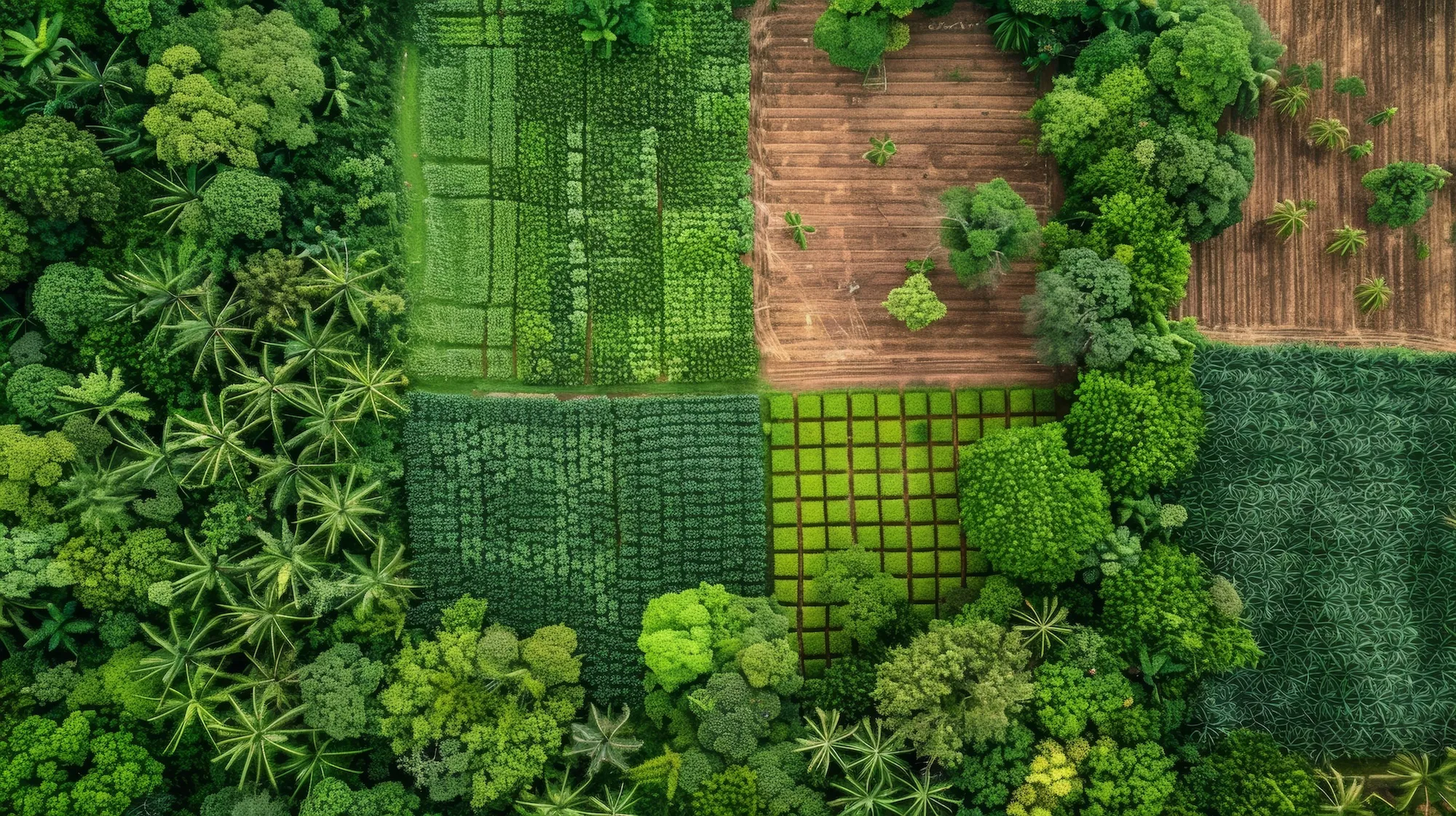


The landscape of global agriculture is undergoing a quiet but profound transformation. For decades, the aging farmer narrative dominated headlines, raising valid concerns about the future of global food security as younger generations increasingly sought careers in urban centers. Today, however, that story is shifting. A new wave of leadership is taking root as Millennials and Generation Z begin to helm family operations, bringing with them a different perspective on land management and business efficiency.
Unlike any generation before them, these young producers are true digital natives, having come of age alongside the smartphone, the cloud, and the algorithm. For these new leaders, technology is not a luxury or a distraction; it is the fundamental language of business. This generational shift is accelerating the adoption of regenerative agriculture at an unprecedented pace. By integrating data-driven workflows into age-old traditions, the next generation is proving that the future of farming lies at the intersection of ancestral wisdom and artificial intelligence.
The Demographic Clock: A Statistical Panorama of the Leadership Transfer
To understand the scale of this revolution, we must first look at the demographic data. According to the USDA 2022 Census of Agriculture official release, the average age of farm producers has continued to climb, now reaching 58.1 years. This "aging out" of the previous workforce has created an urgent need for succession, positioning Millennials and Gen Z as the primary heirs to global land management.
The statistical distribution of farm leadership today reveals an industry on the cusp of a massive transition. Based on demographic data from the USDA Census and insights from the FAO Status of Youth in Agrifood Systems, we see a clear picture of generational weight. Currently, Baby Boomers and older generations (Ages 60+) still hold the largest share of land titles, representing approximately 38% of producers in key markets. They are followed by Generation X (Ages 45-59) at 34%. However, the real momentum is found in the "Next-Gen" cohort: Millennials (Ages 30-44) now account for 19% of farm leadership, while Generation Z (Under 30) has quickly grown to represent 9%.
This distribution is on the verge of a radical reset. Data from the American Farmland Trust estimates that approximately 40% of agricultural land and leadership will be in transition within the next 15 years. This looming "Great Succession" suggests that by 2040, a majority of the world’s productive land will be managed by digital natives. This 15-year window represents a critical period where the adoption of AI and precision tools will shift from an experimental advantage to a baseline requirement for farm survival.
While the younger cohort currently represents roughly 28% of the total leadership, their influence is strategic and growing. In the United States alone, the number of producers under the age of 35 has surpassed 300,000, and this demographic is responsible for managing a disproportionately high share of high-tech and sustainable operations. This demographic shift is critical; as younger leaders increase their footprint, the adoption of digital agriculture follows an identical trajectory. Data from the European Union indicates that young farmers are three times more likely to invest in modernization and ecological transition than producers over 65.
The Digital Pulse: A Symmetrical Leap in Adoption
The entry of Millennials and Gen Z into the agricultural sector is backed by significant statistical evidence of a technological leap. While previous generations relied heavily on physical observation and manual record-keeping, younger farmers are increasingly turning to farm management software to track every input, weather pattern, and soil metric.
Global data suggests that this new generation shows significantly higher rates of digital adoption compared to their predecessors. According to recent McKinsey research, younger farmers are leading the charge in adopting sustainable technologies, with a particular focus on tools that provide a clear return on investment through precision. In regions like North America and Europe, the uptake of precision tools, such as variable-rate technology and satellite imagery is nearly 20% higher among farmers under the age of 35 compared to those over 50.
In the Global South, the revolution is perhaps even more visible. In sub-Saharan Africa and Southeast Asia, where smallholder farms are the backbone of the economy, the demand for mobile-first agronomy apps is skyrocketing. For a young farmer in India or Brazil, a smartphone is more than a communication device; it is a portable laboratory. Millennials and Gen Z are leveraging mobile platforms to bypass traditional barriers to information, accessing real-time market data and localized agronomic advice that was previously out of reach for their parents.
AI and the Next Wave of Decision-Making
Perhaps the most defining characteristic of the Next-Gen farmer is their openness to AI-driven decision support. While older generations may view artificial intelligence with skepticism, younger producers see it as an essential "companion" in an increasingly unpredictable world.
The World Economic Forum highlights that generative AI and machine learning are becoming critical tools for managing climate risk. For these new leaders, the ability to process vast amounts of environmental data to predict pest outbreaks or optimize irrigation schedules is a game-changer.
This openness is driving a demand for simple, mobile-first tools. Millennials and Gen Z do not want complex, desktop-bound legacy software; they want intuitive interfaces that mirror the consumer apps they use every day. They are looking for evidence-based workflows that can be managed from the tractor seat or the field edge. This demand is pushing the AgriTech industry to innovate faster, creating a more accessible ecosystem for small and medium producers worldwide.
Reshaping Succession: From Intuition to Evidence
One of the most delicate challenges in agriculture is the process of generational succession. Historically, this transition has often been fraught with tension, as younger family members struggle to introduce new ideas without appearing to disregard the hard-won experience of their parents.
However, technology is becoming a powerful mediator in this process. By moving from a management style based on "gut feeling" to one based on verifiable evidence, the next generation is changing the nature of family farm meetings. When a young farmer can show their parents a heat map of soil moisture or a digital dashboard demonstrating the financial benefits of reduced tillage, the conversation shifts from opinion to data. Technology provides a neutral ground where tradition and modernization can coexist.
Lowering the Risk of Transition
The introduction of AI-enabled agronomic assistance is a critical factor in lowering the risks associated with farm transitions. For a young farmer taking over a complex operation, the learning curve can be steep. AI companions act as a safety net, providing instant answers to technical questions that might have previously taken years of trial and error to master.
Research from CGIAR suggests that digital inclusion is the single most important factor in keeping youth in agriculture. By lowering the "entry barrier" of technical knowledge, technology enables younger farmers to modernize operations implementing regenerative practices like cover cropping or integrated pest management, while maintaining the financial stability of the family legacy.
The Economic and Environmental Synergy
The Next-Gen approach to farming is inherently holistic. For this generation, the divide between "environmental sustainability" and "economic profitability" is an artificial one. They understand that soil health is the farm's most valuable asset and that protecting it is the only way to ensure long-term viability.
By utilizing precision tools, Millennials and Gen Z are reducing chemical inputs and optimizing resource use, which directly lowers costs while improving the farm's environmental footprint. This evidence-based management allows them to access new markets, such as certified sustainable supply chains, which require the high level of data transparency that digital natives are already comfortable providing.
A Practical Roadmap for the Next-Gen Farmer
For young producers looking to lead the digital transition on their family farms, the path involves a strategic blend of technology and communication:
- Establish a Digital Baseline: Before introducing complex AI tools, begin by digitizing your basic farm records. Move your financial tracking, planting dates, and input applications into a mobile-first platform. This creates a "digital history" that serves as the foundation for future data analysis.
- Leverage AI for Rapid Learning: Don’t be afraid to use AI agronomic companions to bridge knowledge gaps. Use these tools to research the best regenerative practices for your microclimate or to troubleshoot plant health issues in the field. This accelerates your learning curve and allows you to make confident decisions early in your leadership.
- Use Data as a Bridge in Succession: When proposing changes to family traditions, lead with data. Use satellite imagery or soil test results to demonstrate why a shift to no-till or a change in irrigation patterns is necessary. Showing the evidence-based ROI makes it easier for the previous generation to trust your vision.
- Focus on Mobile-First Connectivity: Prioritize tools that allow for real-time collaboration. The ability to share data instantly with advisors, contractors, or family members ensures that everyone is operating from the same "source of truth," reducing errors and improving overall efficiency.
How Valora Earth Empowers the Next Generation
At Valora Earth, we recognize that Millennials and Gen Z are the architects of the new agricultural era. Our platform is designed to meet the specific demands of this digital-native generation, providing the intuitive, powerful, and mobile-first tools they need to succeed.
- The Ultimate AI Companion: Our platform features an AI-driven virtual assistant that provides instant, high-quality agronomic advice. For the young farmer navigating their first few seasons of leadership, this tool offers a reliable safety net, helping to navigate the complexities of regenerative agriculture with confidence.
- Modernized Management Tools: We provide a streamlined interface for managing farm operations, allowing producers to move away from messy paperwork and into efficient, data-driven workflows. This transparency is essential for building a bankable farm history and securing future credit.
- A Safety Net for Succession: By providing clear visualizations of farm health and productivity, Valora Earth helps the next generation demonstrate the value of sustainable practices to their families. We help bridge the gap between tradition and the future, making the succession process smoother and less risky.
The future of global food systems depends on the energy, innovation, and digital fluency of the new generation. By providing them with the right tools, we are not just helping them farm better; we are helping them build a more resilient and sustainable planet.
Whether you are taking over a family legacy or starting your own regenerative journey, explore how the Valora Earth platform can turn your digital fluency into farm-wide success.